

Breaking into graphic design feels like a paradox: studios want to see a portfolio, but you need work to build a portfolio. At Zigrino Visual, we have helped dozens of junior designers move from zero to hired, and the truth is simpler than most online advice makes it sound. You do not need paid clients to build a credible graphic design portfolio with no experience. You need a clear strategy, a few well executed spec projects, and a presentation that signals professionalism.
This guide walks you through exactly how to do it in 2026, with the same framework we use internally when mentoring new designers.
Why Most Beginner Portfolios Fail (And What to Do Instead)
The biggest mistake aspiring designers make is treating a portfolio like a gallery. They dump every logo, flyer and mockup they have ever made into one page and hope something sticks. Recruiters and clients do not want to see everything you can do. They want to see that you can solve their problem.
A strong beginner portfolio answers three silent questions:
- What kind of designer are you?
- How do you think through a brief?
- Can I trust you with my project?
If your portfolio answers those three, the lack of paid experience becomes almost invisible.
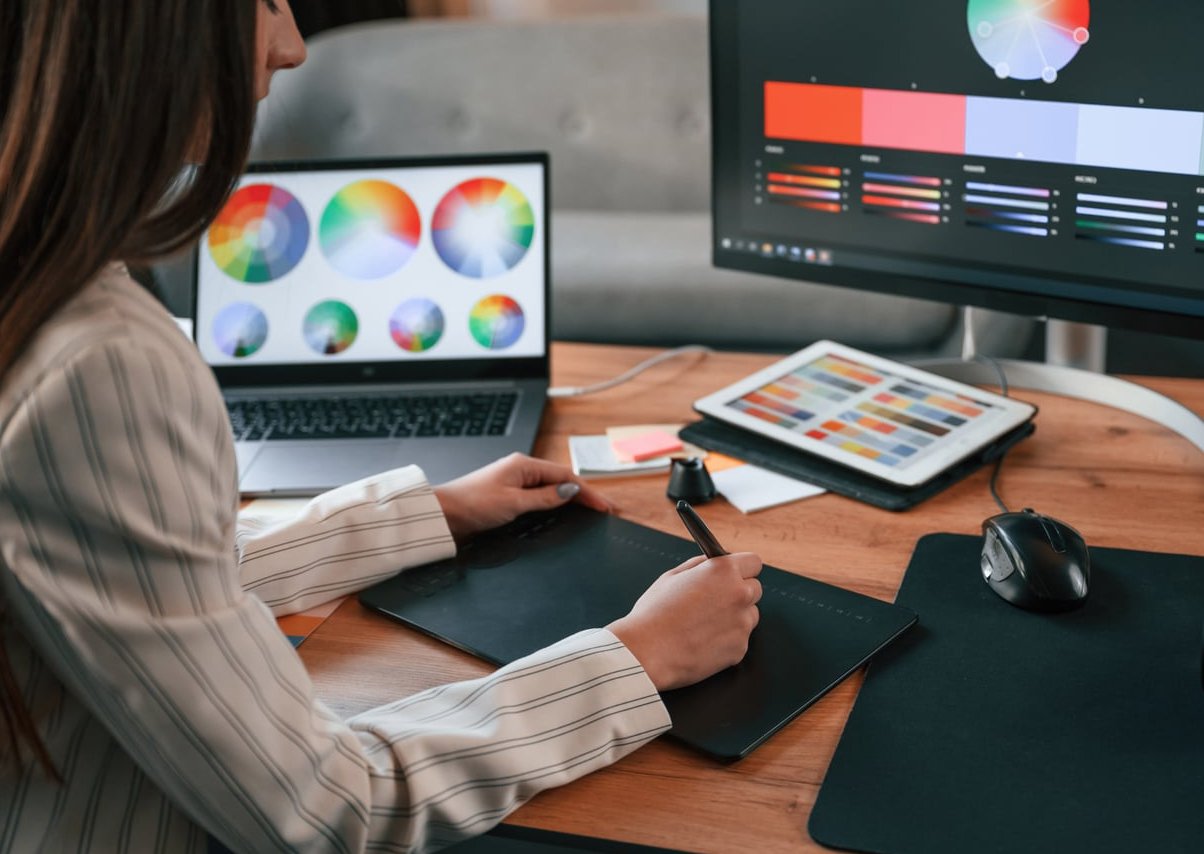
Step 1: Pick a Niche Before You Pick a Project
Generalist portfolios rarely convert. Choose one focus area for your first portfolio iteration. You can expand later. See smartmediajo.com for their take.
| Niche | Best For | Spec Project Idea |
|---|---|---|
| Brand Identity | Agencies, startups | Rebrand a local cafe |
| Packaging | Product companies | Redesign a grocery brand |
| Editorial | Magazines, publishers | Design a 12 page article spread |
| Social Media | SMBs, creators | Build a 30 day content system |
| Web UI | SaaS, e-commerce | Redesign a clunky checkout flow |
Step 2: Build 3 to 5 Strong Spec Projects
Spec projects are self assigned briefs that mimic real client work. Done well, they are indistinguishable from paid projects in a portfolio. Done lazily, they look like school assignments.
Where to Find Quality Briefs
- Briefbox and Brief.fyi for curated design challenges
- Daily Logo Challenge if you want to drill identity work
- Rebrand a real local business (the most impactful option)
- Solve a friend’s small business problem for free, with permission to use it
The Rule of Realism
Always treat a spec project as if a client paid you 3000 euros for it. That means writing a real brief, doing real research, defining a target audience, and producing real deliverables. If your final case study reads I designed a logo for fun, you have already lost the recruiter.
Step 3: Format Each Project as a Case Study
This is where 90 percent of beginner portfolios collapse. They show pretty mockups but no reasoning. A case study format is what separates a hobbyist from a hireable designer.
The 6 Section Case Study Template
- The Client and Context. Who is this for, real or fictional, and what is their situation?
- The Problem. What specific issue does design need to solve?
- The Approach. Research, moodboards, references, competitive analysis.
- The Process. Sketches, iterations, rejected directions. Show the work, not just the polish.
- The Solution. Final designs presented in realistic mockups.
- The Outcome or Rationale. Why this works. If real, share results. If spec, share the strategic reasoning.
Be transparent. If a project is spec, label it as a self initiated concept. Hiding it backfires when clients ask follow up questions.
Step 4: Choose the Right Platform
Platform choice depends on your goal. Here is how we recommend matching the tool to the outcome. storyblocks.com has a solid rundown on this.
| Platform | Strength | Best If You Want |
|---|---|---|
| Behance | Discovery and credibility | A job at an agency |
| Dribbble | Visual community | Freelance inbound leads |
| Personal site (Framer, Webflow, WordPress) | Full control and branding | Premium clients |
| PDF Portfolio | Direct outreach | Cold pitching by email |
| Notion or Read.cv | Speed and simplicity | A quick MVP portfolio |
Our recommendation for 2026: combine a clean personal site (your hub) with an active Behance profile (your reach). The two feed each other.

Step 5: Land Your First Real Project
Once your portfolio holds 3 solid case studies, stop polishing and start outreaching. Perfection is the enemy of momentum.
Tactics That Work for Beginners
- Pro bono with leverage. Offer free work to a local nonprofit or small business in exchange for a testimonial and full creative freedom.
- Reverse pitching. Find a brand whose visuals you can improve, redesign one asset, and email it directly to the owner.
- Micro freelancing. Use platforms like Contra, Fiverr Pro, or Toptal to land short briefs you can later showcase.
- Community presence. Post your process on LinkedIn or X consistently. Visibility compounds faster than skill in the first year.
Step 6: Iterate Every 90 Days
Your portfolio is a living document. Every quarter, replace your weakest project with your newest strongest one. Within a year, your portfolio will look nothing like the one you started with, and that is the point.
Common Mistakes to Avoid
- Putting school assignments without rework or context
- Using stock mockups that scream template
- Writing zero copy and letting images speak for themselves
- Showing 15 projects instead of 4 great ones
- Hiding that work is spec, then losing credibility later
FAQ
Can I really get into graphic design with no experience?
Yes. Most hiring managers care about how you think, not where you worked. A focused portfolio with 3 to 5 strong case studies is enough to land your first paid gig or junior role. This write-up is worth a look.
How many projects should a beginner portfolio have?
Between 3 and 5. Quality always beats quantity. Each project should have a written case study, not just visuals.
Are spec projects respected by recruiters?
Yes, as long as they are clearly labeled, well executed, and accompanied by strategic reasoning. Many designers at top studios started entirely with spec work.
Should I use Behance or build my own website?
Ideally both. Behance brings reach and discovery. A personal site brings credibility and control. Start with Behance if you need speed, add a personal site once you have 3 solid projects.
How long does it take to build a portfolio from scratch?
With focused effort, 4 to 8 weeks is realistic for a first version. Plan one strong case study every 10 to 14 days.
What is the best free way to build a portfolio?
Behance is the strongest free option in 2026. For a personal site, Framer and Notion both offer free tiers that look professional out of the box.
Final Thought
A graphic design portfolio with no experience is not a handicap. It is an opportunity to design exactly the work you want to be hired for. Pick a niche, build with intention, present like a professional, and ship before you feel ready. That is how every designer at Zigrino Visual, and every designer we admire, actually started.